
Blog
Insights for Store Development & Construction Leaders
Best practices, strategies, and expert perspectives on retail rollout management, multisite construction, and store development operations.
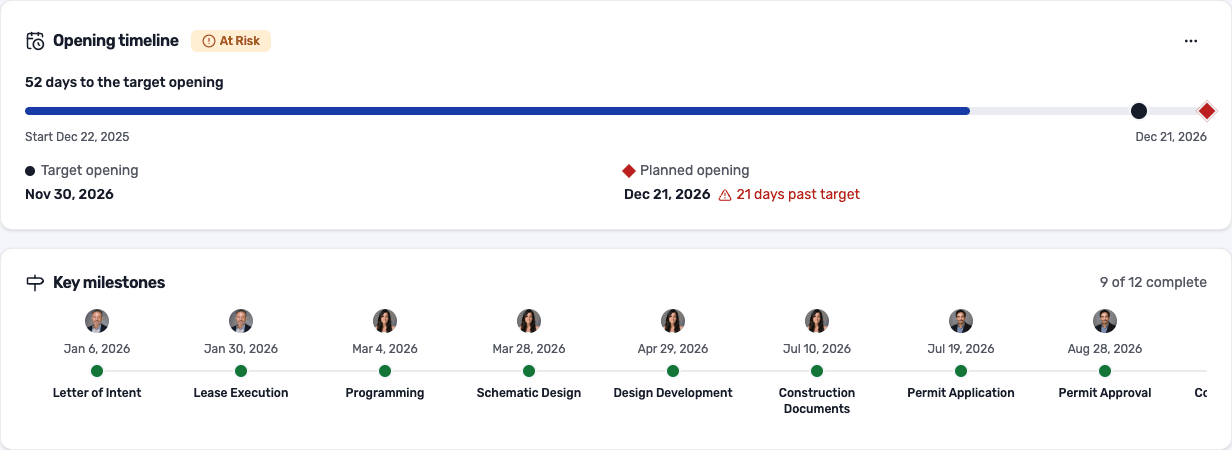
New Store Opening Project Management: Running One Opening From Lease to Handoff
How to manage a new store opening as one project, starting from the lease and the target opening date and ending with a clean handoff to operations.

Building a 2027 Store-Development Budget That Holds Up All Year
Capex guides moved in both directions during 2026, building costs rose by roughly 4.5% to 5.6% over the past year, and contingency is the line budget cuts often target. How to set a 2027 store budget that is still credible next October.
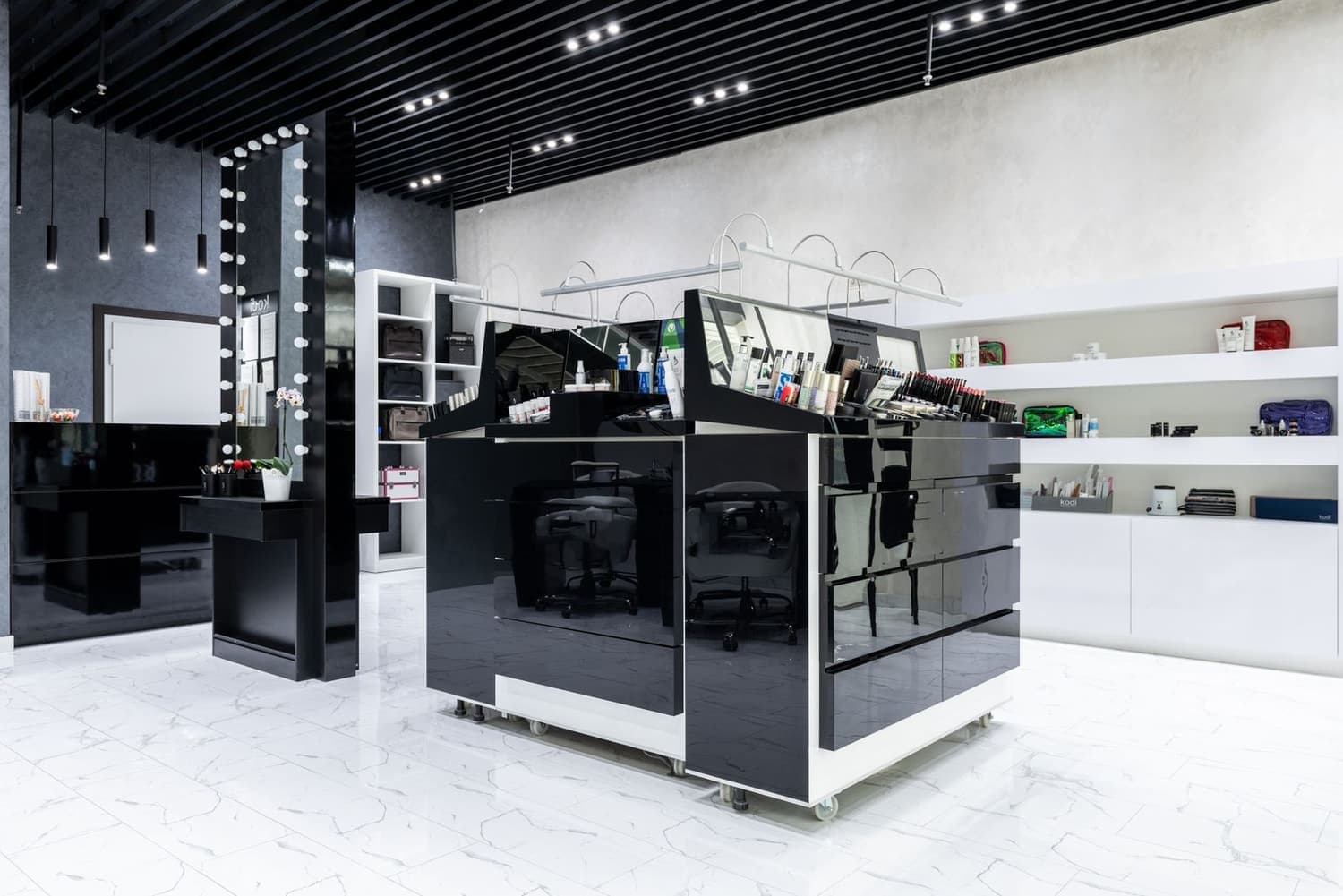
Managing FF&E and Owner-Furnished Equipment Across a Rollout
On a retail buildout, a big share of the budget is bought directly by the retailer and coordinated around the general contractor. Managing that owner-furnished stream is where rollouts quietly leak time and money.

Critical Dates and the TI Allowance: The Lease Clock Before Construction
A retail lease fixes the delivery of the space, the start of rent, and the deadline to be open, all before a single sheet is drawn. Construction then spends the project racing a clock that started at signing.
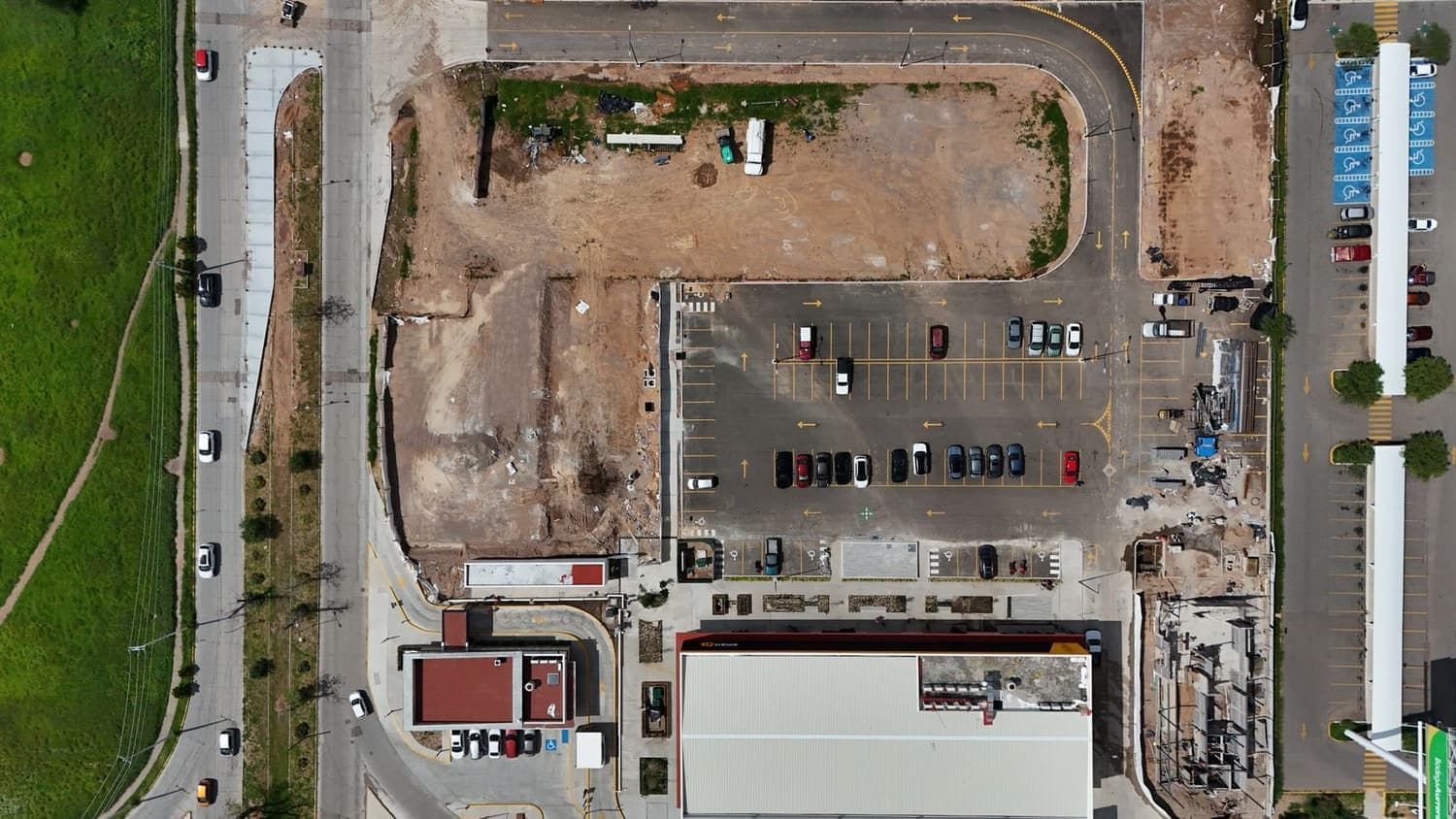
Due Diligence for Retail Site Feasibility
The window between choosing a site and signing the lease is where you find out whether the store can be built at the cost the deal assumed. What to verify, and why the answers cannot die in a PDF once the deal closes.

The Pop-Up Store Is the Purest Rollout There Is
Spirit Halloween opens 1,575 stores in late summer and closes them around November 1. A pop-up is a rollout with nothing to hide behind, and it runs on a discipline the permanent fleet could use.

What the Fitness-Led Mall Rebound Means for Your Build Pipeline
Malls are the best-performing slice of US commercial real estate again, and fitness and wellness tenants are much of the reason. For store development teams, the growth is shifting toward gym and wellness buildouts, which carry heavier mechanical, plumbing, and equipment demands than the goods stores they replace. Riding that wave well is a construction problem.

What Burlington's 25,000-Square-Foot Store Bet Means for Store Development
Burlington is buying a $240 million Philadelphia headquarters, funded by a turnaround built on a much smaller store. Cutting the prototype to 25,000 square feet reset the company's development math and opened a far wider map of buildable sites. Its prototype discipline, and the second-generation space that discipline opens up, is what other operators can copy.
What the Fastest Retail Operators Do Differently
The fastest US developers open anywhere from about 100 to more than 500 units a year, across businesses that sell nothing alike. What they share is how they build. Three moves separate them from everyone else.
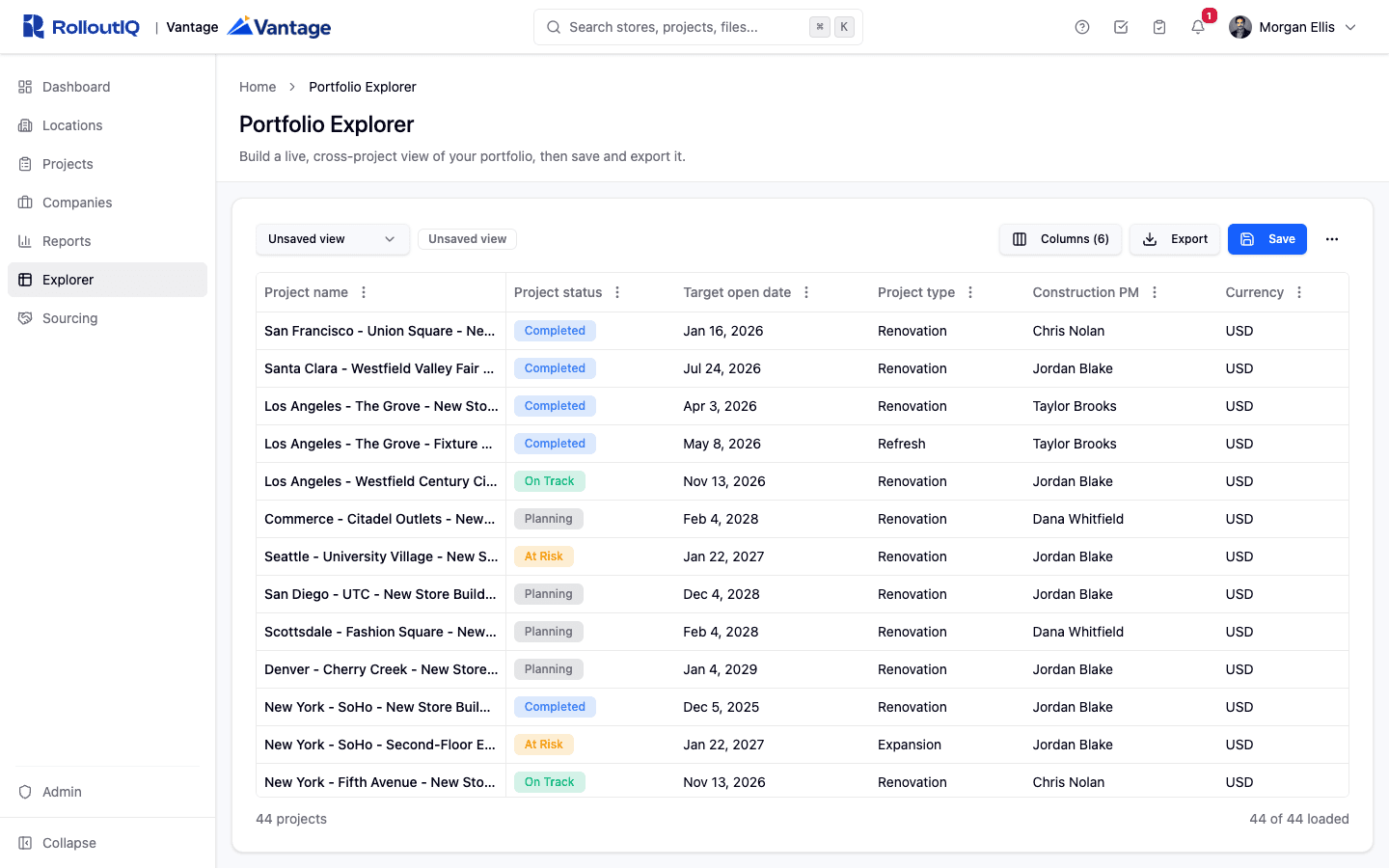
Why Your Portfolio Rollup Lives in a Spreadsheet
The master tracker a leadership review runs off is usually a spreadsheet someone rebuilt by hand, and it is out of date by the time they read it. Why it happens at multisite scale, and what a live cross-project view changes.

Building or Outsourcing Your Store Development Team: What to Keep Either Way
Past a certain pace, every multisite operator faces the same call: staff a development team or hand the rollout to an owner's rep. Here is what each side buys, and the one thing to keep in-house either way.

A Retail Permitting Playbook, Built Jurisdiction by Jurisdiction
Permitting sits on the critical path before a single wall goes up, and every jurisdiction runs its own process. Multisite operators who move fastest turn hundreds of local processes into a playbook they reuse.

The Single Source of Truth Is What Lets a Program Scale
Most teams read single source of truth as one system, then run a consolidation project that does not fix anything. The useful definition is narrower, and it decides whether a program survives its own growth.
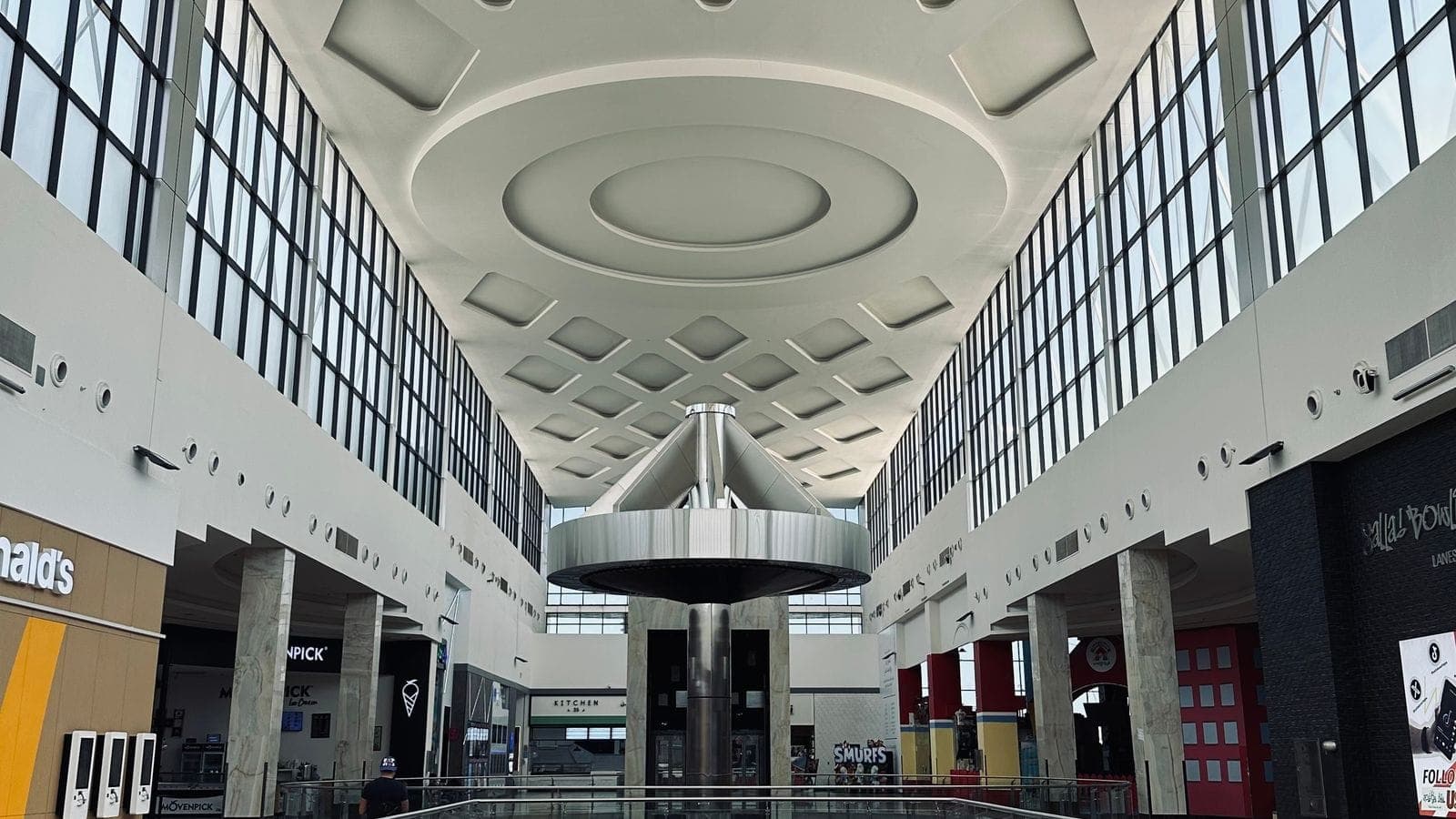
The Landlord Holds Your Schedule: What Pop Mart's Mall Push Says About In-Line Buildouts
Pop Mart will open more than 20 stores at Simon malls and outlet centers in 2026, and Mango is scaling US stores the same way. When you grow through landlord-delivered in-line space, the landlord's delivery condition and work letter control your schedule and cost, not your own GC. Here is why that split is the most overlooked risk in a mall buildout.
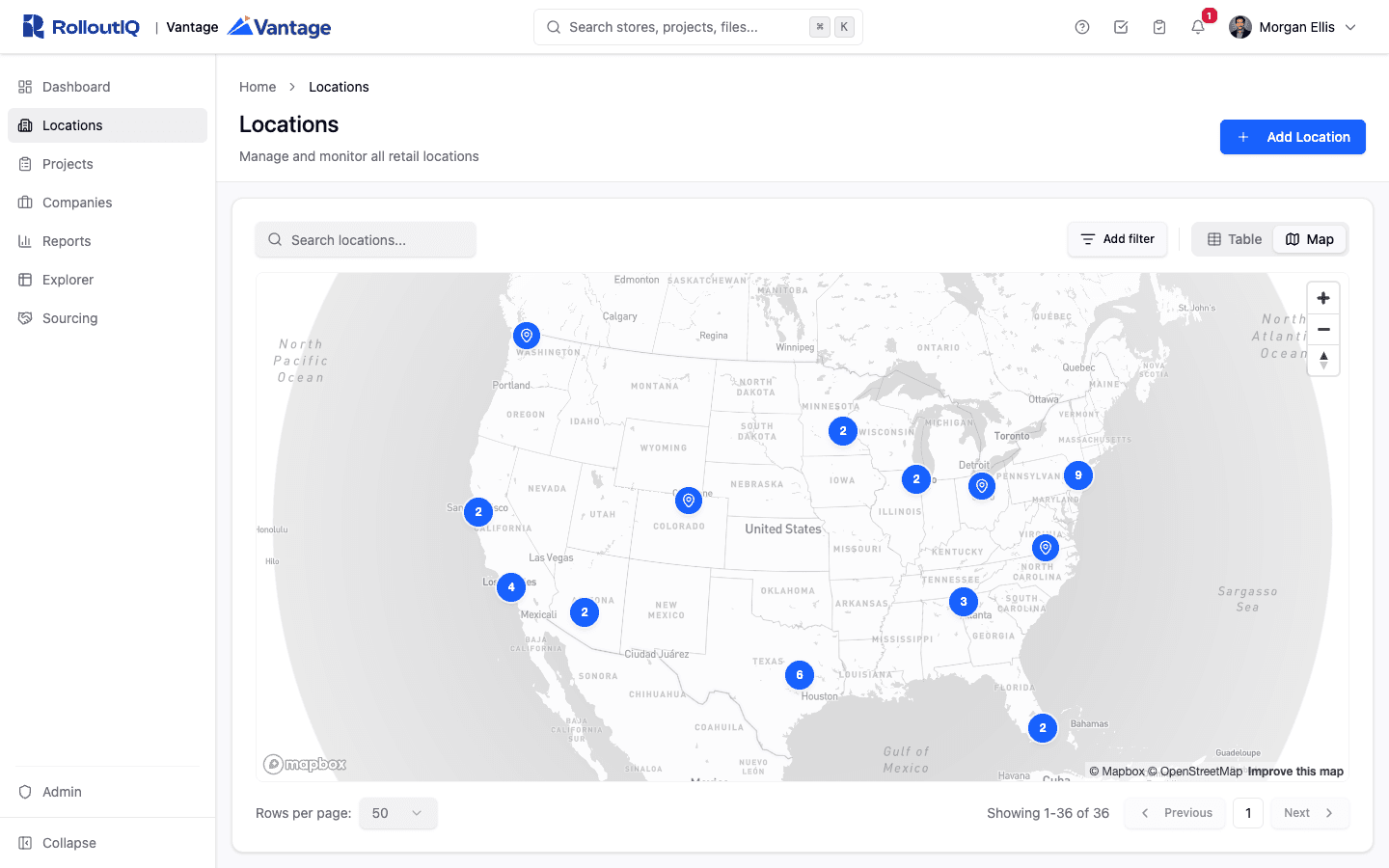
Location, Space, and Project in the Retail Portfolio Model
Generic construction PM tools have one organizing object, the project, and it closes when the ribbon is cut. That is fine for a single build and useless for a portfolio of stores that each go through many builds over their lives. The fix is a data model that separates the store, its real estate, and the work done to it.
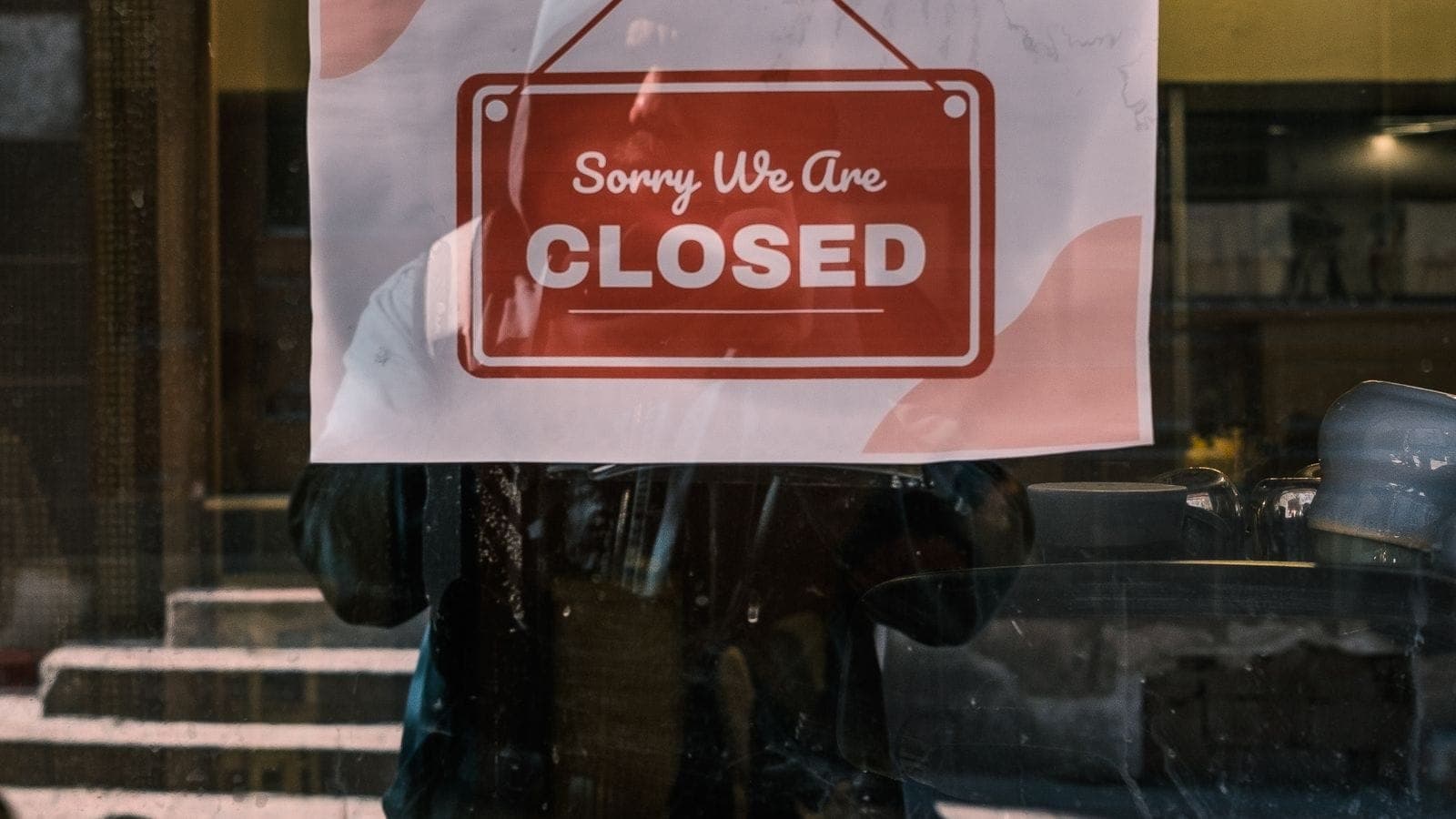
The Store Closure Is a Project Too, and Most Retailers Do Not Run It Like One
Everyone tracks the opening pipeline. But with closures still outpacing openings in 2026, the store you are shutting down is an unmanaged project hiding in plain sight, and running it ad hoc costs real money on the way out.
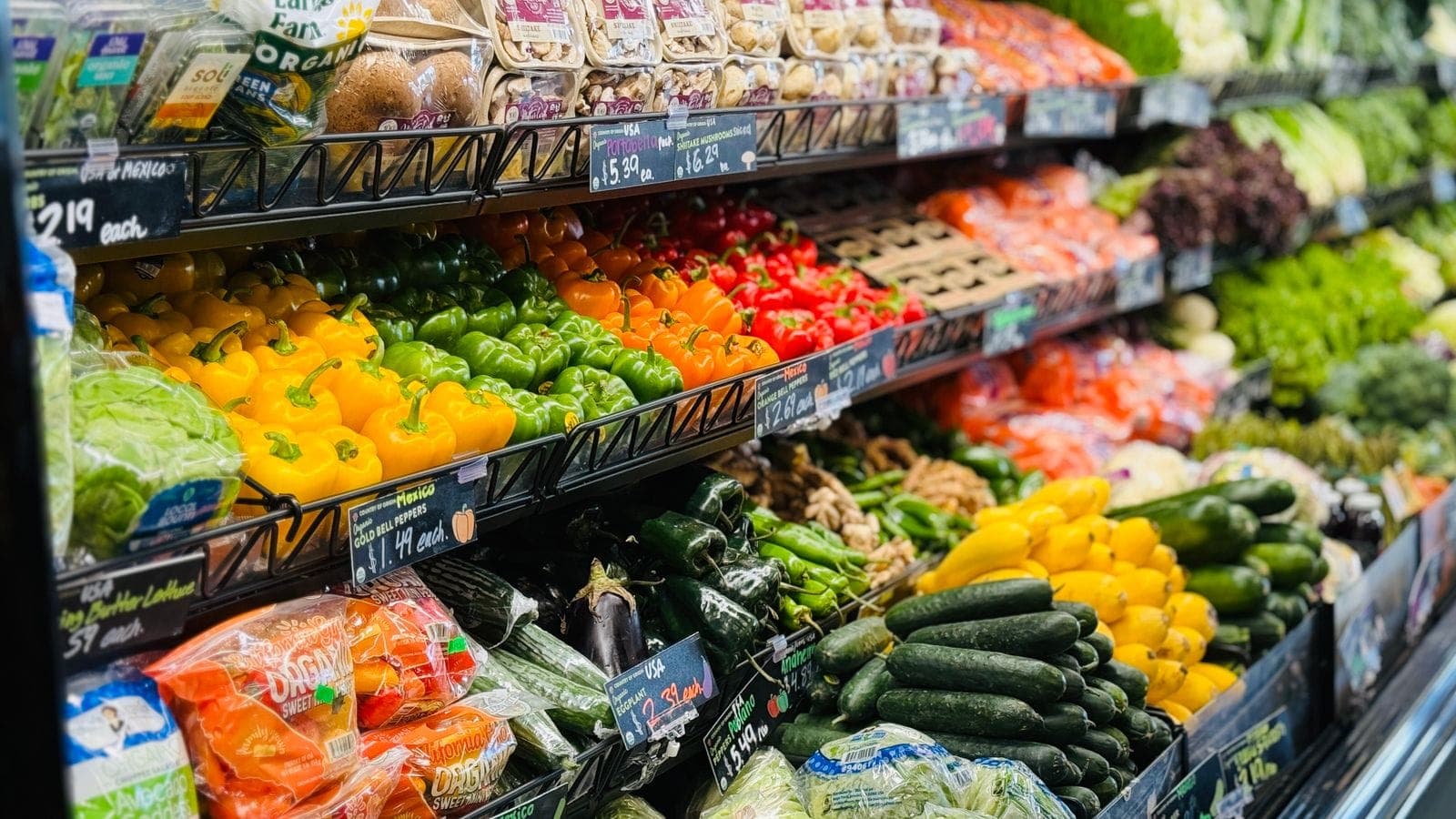
Grocery Is Leading 2026 Store Openings, and It Is the Hardest Box to Open on Schedule
Aldi is opening more than 180 stores this year and grocers built the majority of new retail space in the country's most active market. Grocery is the openings engine of 2026, and also the most construction-intensive box a store development team can be asked to deliver.
Retail's 2026 Growth Is Conversion, Not Construction
As new retail construction falls in 2026, off-price and discount chains are expanding by taking over bankrupt competitors' leases. That growth looks like a rollout but runs like a portfolio of one-off conversions.

The Retail Rollout Timeline: From Lease to Grand Opening
From lease execution to grand opening, a store project moves through a predictable set of milestones. Here is the retail rollout timeline by phase and format, and where the time actually goes.
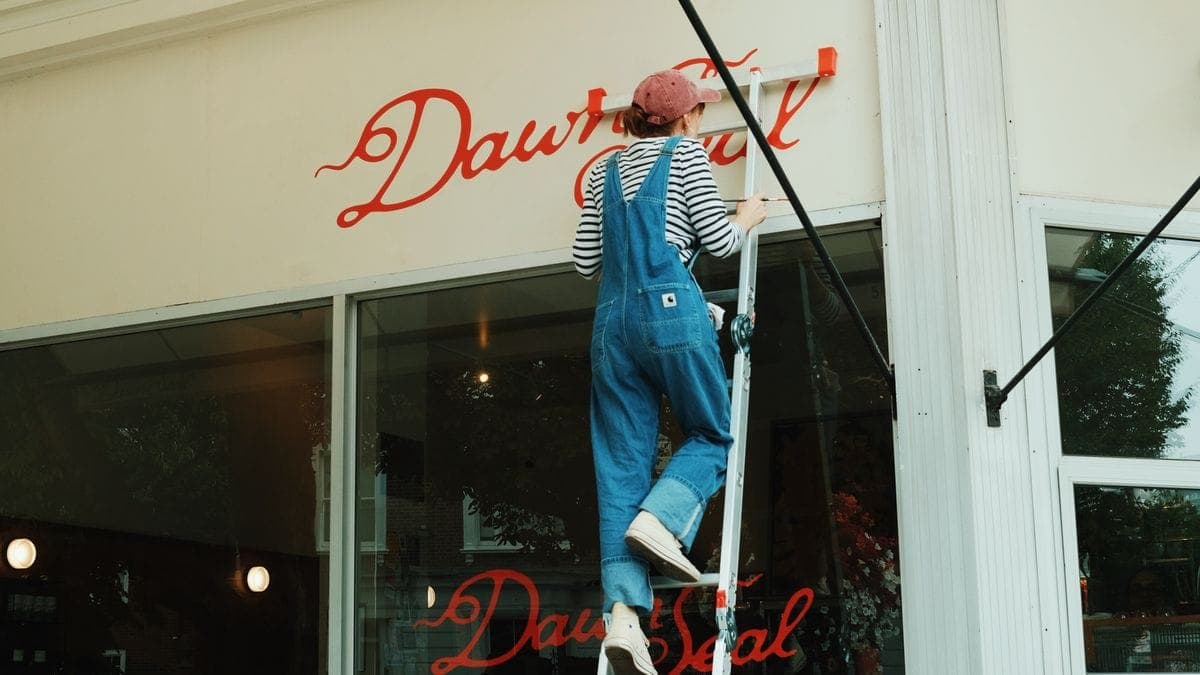
How to Manage a Signage Rollout Across Multiple Locations
Storefront signage is often the final approval before a grand opening and the one most likely to slip. A practical playbook for managing signage rollouts across a store portfolio.

What Macy's Reimagined Stores Reveal About Managing a Store Fleet as a Portfolio
Macy's reported that its reimagined stores are outpacing the rest of the fleet. The real takeaway is a portfolio one. The fleet ages unevenly, and deciding which stores to refresh is a capital-allocation discipline, not a maintenance afterthought.

Why Multi-Site Development Outgrows the Spreadsheet
A weekend-built tracker runs most store development programs at first. Here is what breaks as the portfolio grows, from version confusion across drives to rollups that collapse on a reorg.

Negotiating Landlord Work Letters for Multisite Operators
The work letter determines what the landlord delivers and what you build. Get it wrong and your buildout starts with surprises. Here is how multisite operators negotiate work letters that hold up.
Site Selection Criteria for Multisite Retail Operators
Site selection is the highest-leverage decision in store development. A bad site cannot be saved by good operations. Here is how to make it a structured process.
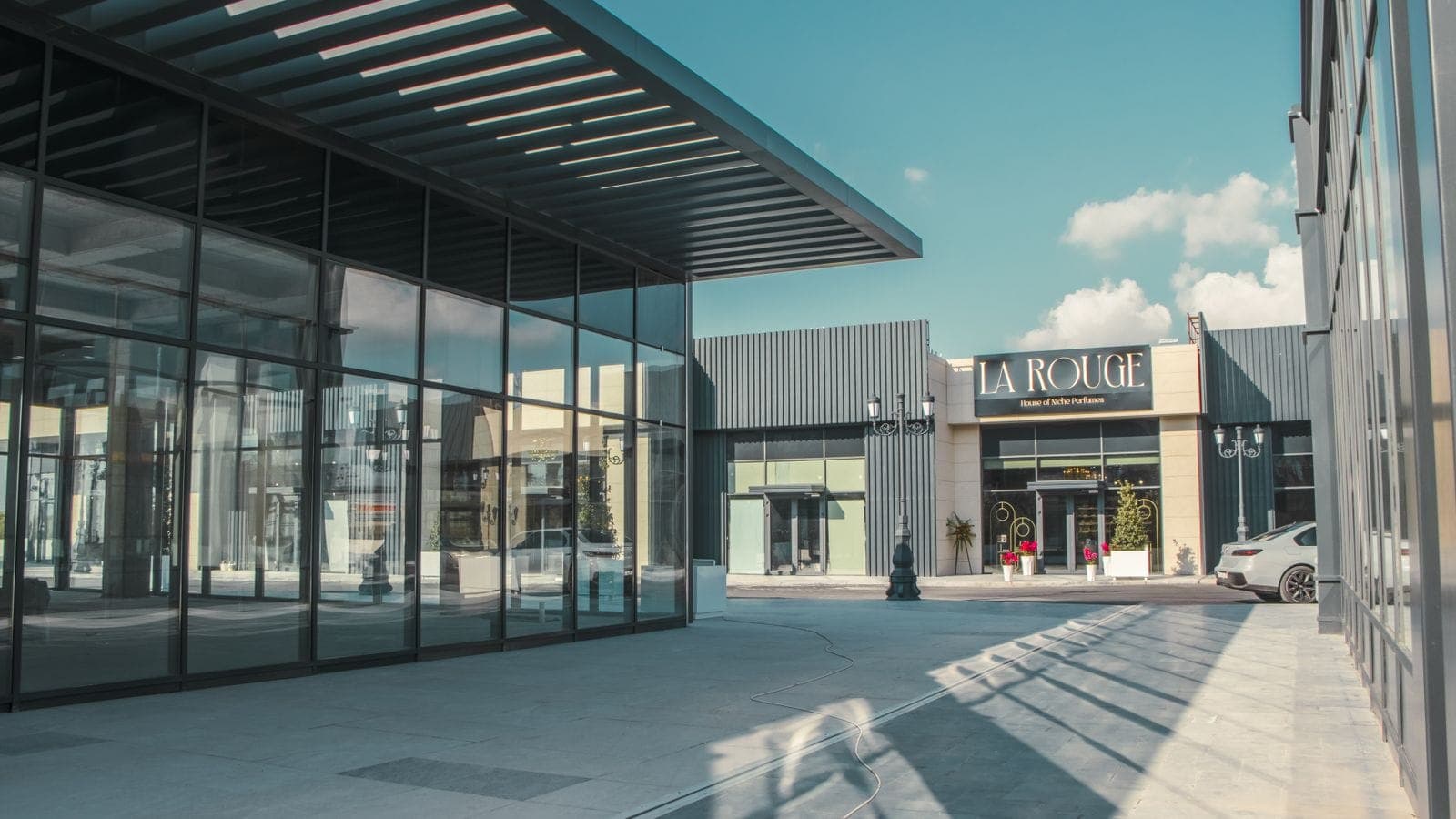
Optimizing Your Store Development Process from Site Selection to Grand Opening
Store development is one of the most complex workflows in retail operations. Learn how leading operators streamline every phase from site selection through grand opening.
Compliance Tracking for Multi-Location Retail Rollouts
Compliance failures are one of the most expensive risks in retail construction. Learn how to build a compliance tracking system that scales across your entire portfolio.
Vendor Management Best Practices for Retail Buildouts
Your vendors make or break your rollout timeline. Learn how top retail operators manage vendor relationships, track performance, and build reliable trade networks.
Reducing Delays in New Store Openings: A Practical Guide
Every delayed store opening costs money in lost revenue, extended rent obligations, and team morale. Here are the practical strategies that top operators use to hit their dates.