

Store Development
Critical Dates and the TI Allowance: The Lease Clock Before Construction
A retail lease carries a schedule and a budget inside the real estate terms, a set of dates and a pot of money that govern the whole construction project.
The clock starts the day you sign
A retail lease starts a cascade of dates that construction has to race, and most are fixed before the first drawing is done. The landlord turns over the space on a delivery date; rent commences on its own date whether the store is open or not, and an outside date at the end sets the hard deadline to open before you fall into default. Construction sets none of these dates; it inherits them and works backward from whichever one carries the steepest penalty.
The rent you pay on a dark store
The rent commencement date is the one that drains money without anyone watching. On many retail leases it is a fixed calendar date, or a set number of days after delivery, and it does not wait for the store to open. Every week construction runs long is a week of rent paid on a space that is selling nothing. The cause of the delay does not change the bill. On a good corner, that rent runs to tens of thousands of dollars a month with nothing recovered the other way, which is why most of the schedule pressure in retail construction traces back to the meter that has been running since the lease was signed.
The allowance you can leave on the table
Landlords often contribute a tenant-improvement allowance toward the buildout, and mishandling it is how you lose money the landlord already agreed to spend. The allowance is drawn down as the work gets done, against invoices and lien waivers, on the landlord's documentation rules and inside a deadline. Miss the paperwork or miss the window and the unclaimed portion is forfeited, which means you paid for a buildout the landlord had agreed to help fund and never collected on. A forfeited allowance is an easy oversight on a single store, and across a program those oversights add up to real money nobody planned to spend.
Where the dates get lost
All of this is known at lease execution. A lot of it gets lost right there. The critical dates and the allowance terms live in a signed PDF and in the head of the real estate manager who negotiated them. The construction team, meanwhile, often works to its own schedule, built from the delivery date and a standard duration, without the outside date or the rent commencement date in front of it. The handoff from real estate to construction is the seam where a lease's hard obligations lose their teeth. The outside date usually surfaces as a problem after the people who negotiated the lease have moved on to the next deal, leaving no one who planned around it.
Treat the lease as data
The lease deserves to be treated as structured data, because that is what it is underneath. The critical dates, the commencement triggers, the allowance draw schedule, and the co-tenancy and kick-out clauses are all fields that drive real deadlines and real dollars, and they belong on the store's record where construction, finance, and operations can all see them. When those dates sit on the location alongside the schedule, a slip shows up against the deadline it threatens early enough to do something about. That is the case for holding the lease on the same record as the store, the way a platform like RolloutIQ treats the location, rather than leaving it in a folder nobody opens until the outside date is a week away.
The Rollout
The Rollout, in your inbox
A founder's read on retail and multi-site store development. What the latest news means for your pipeline, and what we are building, every couple of weeks.

Written by
Nariman Shariat
Founder, RolloutIQ
Nariman has spent about 20 years opening stores, in the seat between the landlord, the architect, and the general contractor, across some of the largest retail and workplace fleets in the country. Along the way he built the internal platform that ran store development across a fleet, then rebuilt the same idea company after company. He founded RolloutIQ to give multi-site development teams the single source of truth he kept having to build by hand, and writes here about the work of opening and remodeling stores at scale.
More about NarimanKeep Reading
Related Articles
Continue exploring best practices for store development and construction management.

Negotiating Landlord Work Letters for Multisite Operators
The work letter determines what the landlord delivers and what you build. Get it wrong and your buildout starts with surprises. Here is how multisite operators negotiate work letters that hold up.
Due Diligence for Retail Site Feasibility
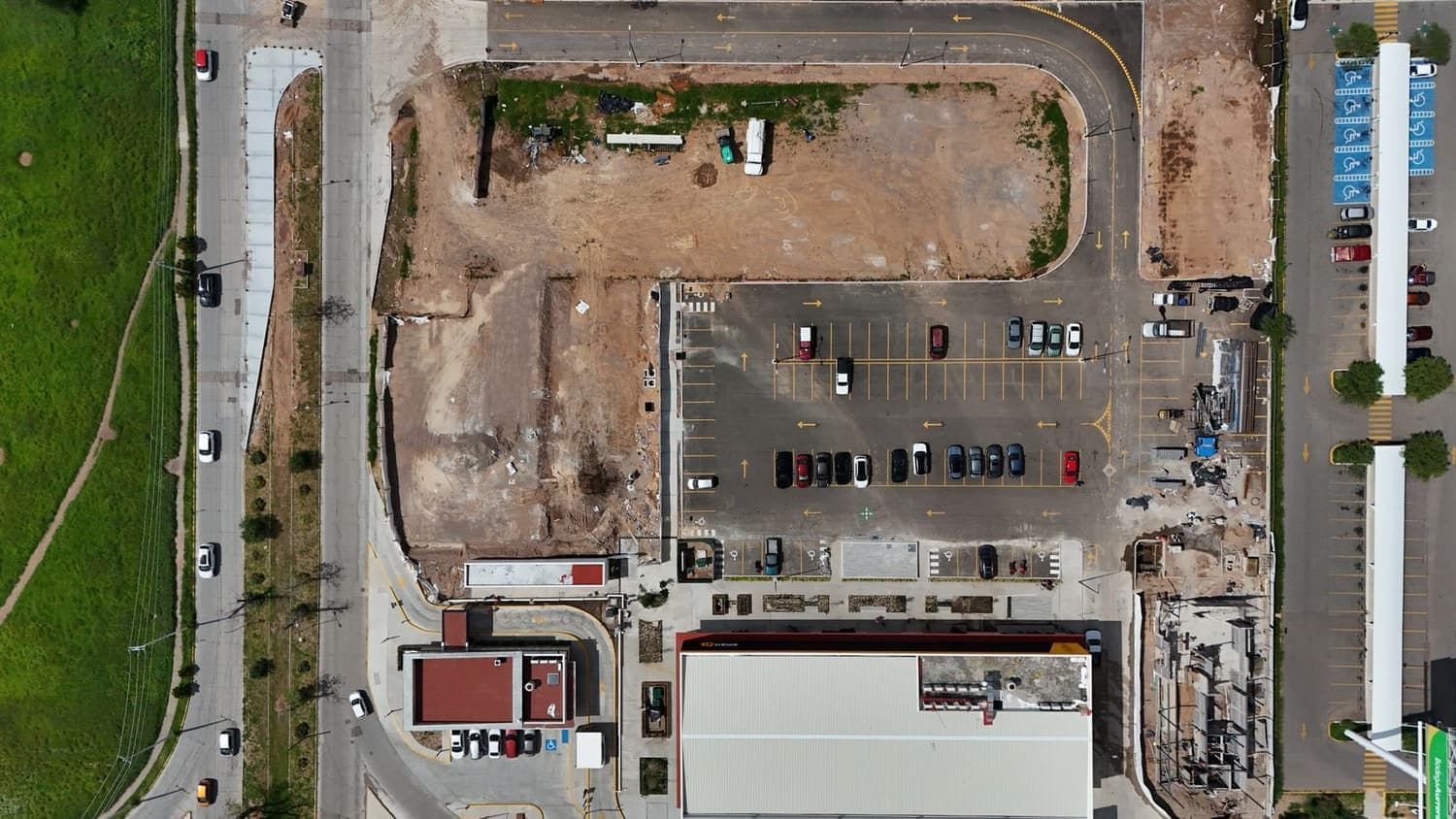
The window between choosing a site and signing the lease is where you find out whether the store can be built at the cost the deal assumed. What to verify, and why the answers cannot die in a PDF once the deal closes.
The Landlord Holds Your Schedule: What Pop Mart's Mall Push Says About In-Line Buildouts
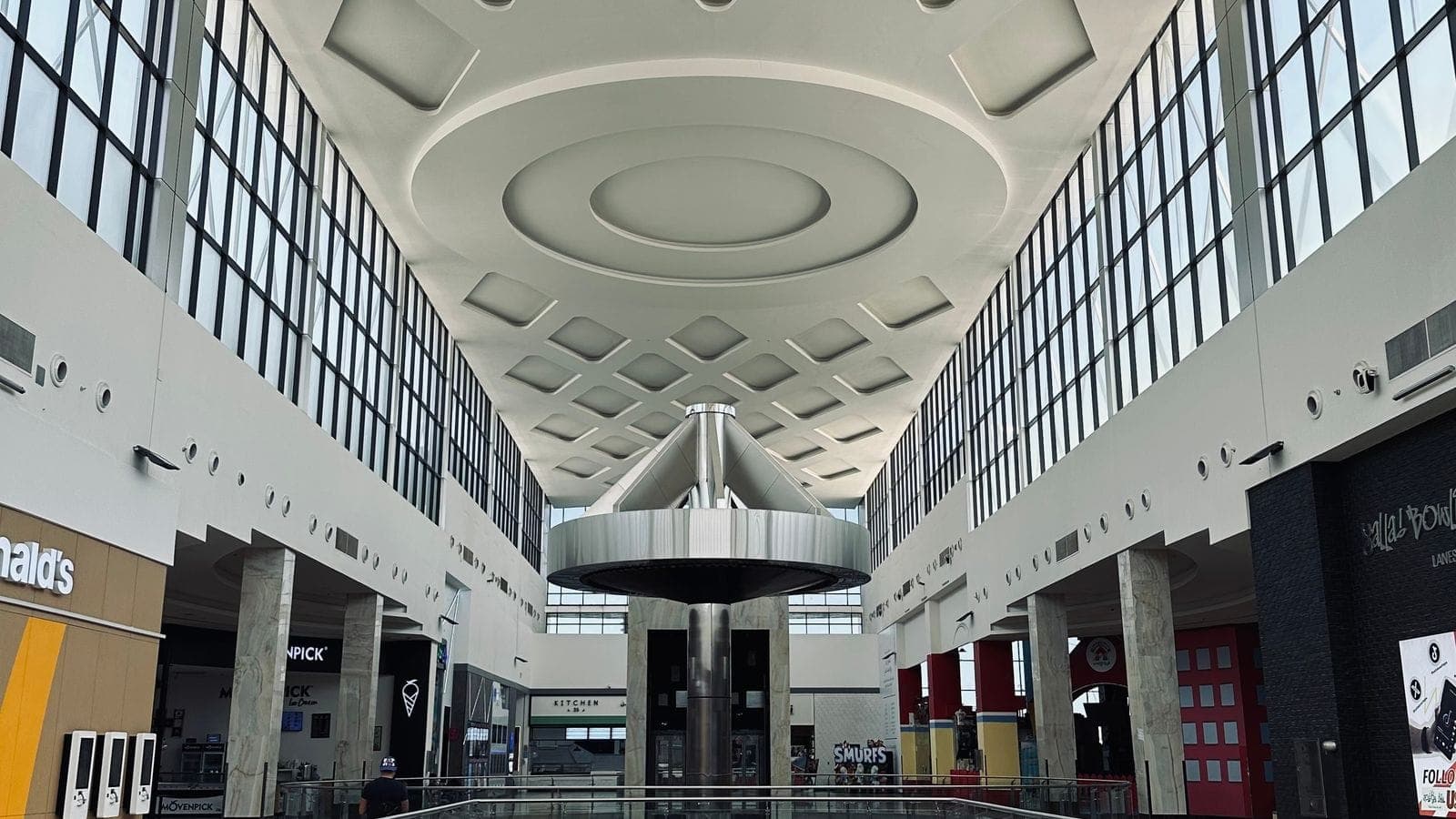
Pop Mart will open more than 20 stores at Simon malls and outlet centers in 2026, and Mango is scaling US stores the same way. When you grow through landlord-delivered in-line space, the landlord's delivery condition and work letter control your schedule and cost, not your own GC. Here is why that split is the most overlooked risk in a mall buildout.
Ready to Build Smarter?
See how RolloutIQ™ can streamline your retail and multi-site rollout program. Book a personalized demo with our team.