
Store Development
Managing FF&E and Owner-Furnished Equipment Across a Rollout
On a retail project, the owner buys a large share of what goes into the store and hands it to the contractor to install. That split is where a lot of rollouts lose time and money.
The part of the budget the GC never buys
On a conventional commercial project, the general contractor buys almost everything that goes into the building and marks it up. Retail splits that apart, with the retailer negotiating national deals for fixtures, equipment, signage, and technology, buying those directly, and handing them to the contractor to install. A big share of the project cost never touches the GC's contract. Often it is a third or more.
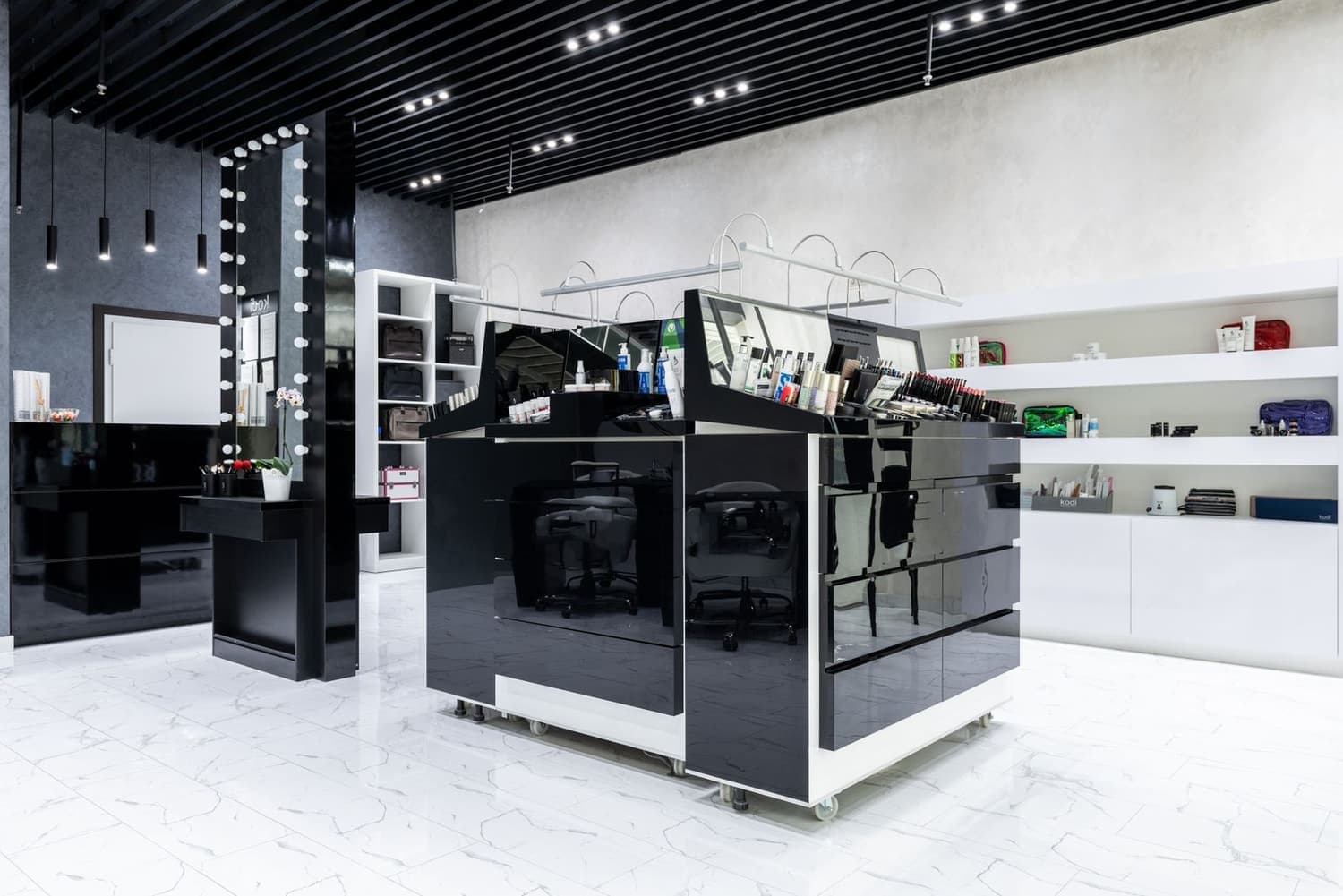
A brand opening dozens of stores a year gets better pricing and a uniform look by buying its own millwork, refrigeration, and point-of-sale hardware across the whole program than by letting each local GC source them. The savings and control come with a coordination cost, since two supply chains now have to converge on the same site in the same week.
The labels that decide who owns each item
Every line item in a retail buildout carries a label for who is responsible. The labels are worth knowing, because they decide who pays when something goes wrong. The traditional model is contractor furnished and contractor installed, where the GC buys and installs the item and owns the outcome. Owner furnished, owner installed puts both the purchase and the install on the retailer or its own vendor, which is common for loose fixtures, signage, and point-of-sale gear.
The model in between causes the most trouble. Owner furnished, contractor installed means the retailer buys the item and the GC receives it, stores it, protects it, and installs it. Responsibility changes hands somewhere in the middle of the item's life, so damage or delay in that handoff belongs to whoever the contract says it does, which is often unclear until the argument starts.
Where owner-furnished work goes wrong
The failures cluster at the seams. A fixture package shows up before the space is ready to receive it, and now the GC is storing 40 crates it did not plan for, liable for damage to goods it never bought. A drawing marks an item "by others" without saying which others, and two trades each assume the other has it until neither does. The retailer is the purchaser of record, so the sales and use tax exposure sits with it rather than the GC. That catches teams who assumed the contractor's numbers covered it. When a rough-in interface gets missed, the owner's vendor arrives to install equipment the GC never provided the connection for.
Across a portfolio of concurrent openings, these small failures compound into a steady drain that never shows up as one line item, which is why it tends to go unmanaged.
Making the handoffs explicit
Managing the owner-furnished stream comes down to making the handoffs explicit before the work starts, and doing it the same way on every store so the portfolio behaves predictably.
- Put a clear responsibility label on every line item, so nobody guesses who buys, receives, installs, and warrants it
- Define "by others" and "not in contract" in a legend on every drawing set, since those two annotations cause more coordination disputes than any other
- Time each delivery to a construction-readiness milestone, so owner-furnished goods arrive when the site can receive and protect them rather than weeks early
- Document receiving, damage, and install for each item, because the record of what arrived in what condition is what settles the back-charge later
Coordinating it across the portfolio
On a single store, a sharp project manager can carry all of this in their head. It does not scale. Across 50 stores, each with its own owner-furnished vendors and its own delivery calendar, the handoffs run into the thousands, well past what one person tracks. Construction platforms handle the GC's scope and procurement systems handle purchase orders, but neither one models the split where the retailer buys and the contractor installs, which is the exact seam where the money leaks.
That gap is why owner-furnished coordination belongs in the same system of record as the schedule and the budget. When the project record holds who owns each item, when it is due, and the install it gates, a late fixture package or a missed rough-in surfaces while there is still time to fix it. RolloutIQ is built to hold that stream as first-class project data rather than leaving it to a spreadsheet the GC never sees.
The Rollout
The Rollout, in your inbox
A founder's read on retail and multi-site store development. What the latest news means for your pipeline, and what we are building, every couple of weeks.

Written by
Nariman Shariat
Founder, RolloutIQ
Nariman has spent about 20 years opening stores, in the seat between the landlord, the architect, and the general contractor, across some of the largest retail and workplace fleets in the country. Along the way he built the internal platform that ran store development across a fleet, then rebuilt the same idea company after company. He founded RolloutIQ to give multi-site development teams the single source of truth he kept having to build by hand, and writes here about the work of opening and remodeling stores at scale.
More about NarimanKeep Reading
Related Articles
Continue exploring best practices for store development and construction management.
Vendor Management Best Practices for Retail Buildouts
Your vendors make or break your rollout timeline. Learn how top retail operators manage vendor relationships, track performance, and build reliable trade networks.
Long-Lead Procurement: The Equipment That Sets Your Opening Date
Some of the equipment a store needs takes a year or more to arrive, and it does not wait for your building to be ready. Managing long-lead procurement as its own discipline is what keeps it off the critical path.

Optimizing Your Store Development Process from Site Selection to Grand Opening
Store development is one of the most complex workflows in retail operations. Learn how leading operators streamline every phase from site selection through grand opening.
Ready to Build Smarter?
See how RolloutIQ™ can streamline your retail and multi-site rollout program. Book a personalized demo with our team.